
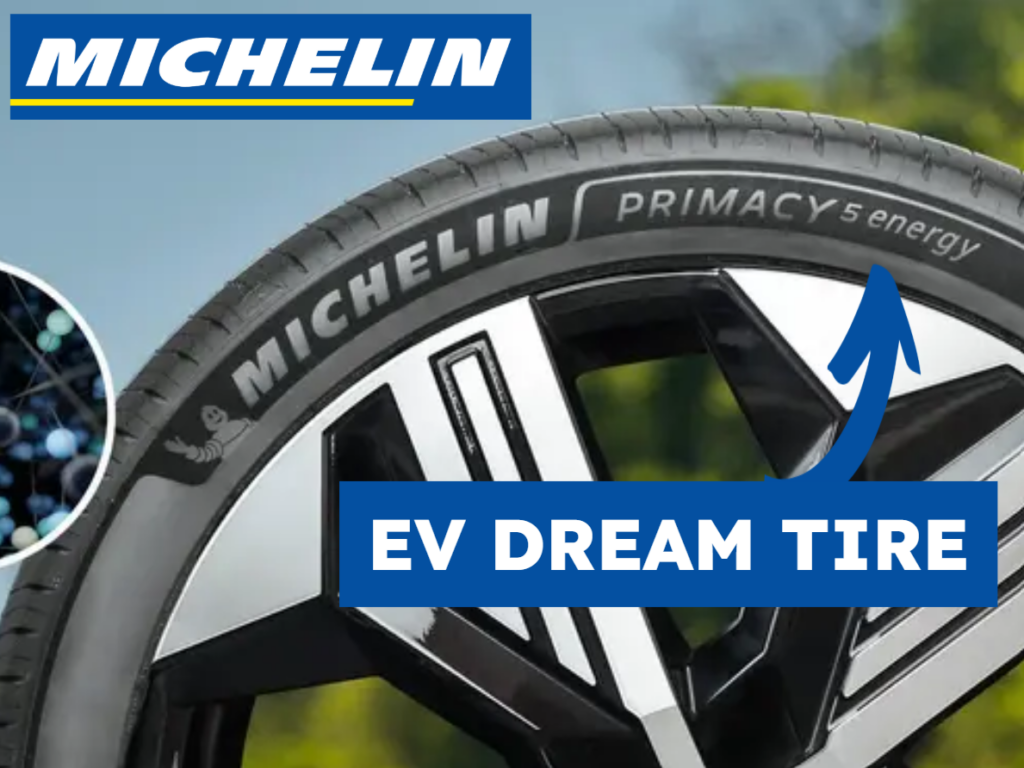
The Michelin Primacy 5 Energy is Michelin’s latest efficiency-focused touring tire, replacing the e.Primacy as the brand’s low-rolling-resistance, high-mileage solution for modern passenger cars and EVs. While the core concept remains the same, the Primacy 5 Energy introduces refinements aimed at sustaining wet braking performance as the tire wears, further reducing energy losses, and improving real-world longevity, all while maintaining the quiet, comfort-oriented character expected from the Primacy family. With
Michelin now backing these claims through its first AAA-tested results, let’s interpret the data provided by Michelin and see what it really tells us.
Table of Contents
Results
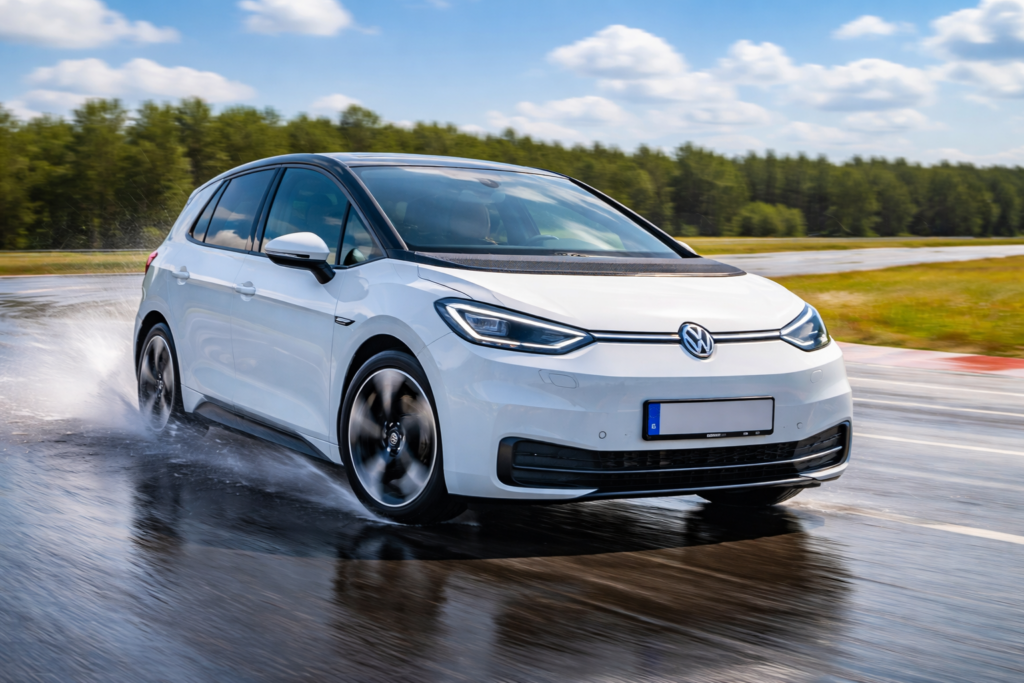
The results use in this article were taken from the Michelin’s press release for Primacy 5 Energy. Even though the test was conducted by a third party (DEKRA Test Center), the results should still be taken with a pinch of salt and verified later against traditional independent test outlets. The tire size of interest is a 215/55R18 which is a common tire size for Honda Accord. You can check out our latest tire size table for more information. The testing vehicle is a Volkswagen ID3.
Mileage
Compared to the Michelin Primacy 5 Energy baseline, the Bridgestone Turanza 6 and Continental PremiumContact 7 show a 28–29% mileage deficit, while the Goodyear EfficientGrip Performance 2 and Pirelli Cinturato P7 C3 fall further behind with a 39–40% shortfall. These are significant gaps, but mileage results must be interpreted carefully, as they are closely linked to rolling resistance targets, load assumptions, and test methodology.
In today’s EV-focused landscape, wear and rolling resistance have become the critical battleground, with higher torque loads and frequent stop-start driving accelerating tread wear. Michelin’s advantage aligns with its efficiency-driven positioning, but whether this margin holds under real EV duty cycles will ultimately need confirmation from traditional independent testing that evaluates wear progression and RR stability over time.
Wet
Relative to the Michelin e.Primacy, the Primacy 5 Energy delivers a 10% improvement in wet braking, a meaningful gain given that wet performance was the predecessor’s primary weakness.
This shortfall was clearly exposed in the ADAC 2023 Summer Tire Test, where the e.Primacy recorded a 14% wet braking deficit versus the Goodyear EfficientGrip Performance 2. In that context, the Primacy 5 Energy’s wet upgrade directly targets a known limitation rather than simply chasing marginal gains. At the same time, the e.Primacy still held a 39% mileage advantage over the EfficientGrip Performance 2, highlighting the core efficiency-versus-grip trade-off and framing Michelin’s latest evolution as a more balanced step forward.
Interior Noise & Comfort
Compared to the Michelin e.Primacy, the Primacy 5 Energy delivers a 5% improvement in interior noise and comfort, likely driven by its lower exterior rolling noise, as indicated by its A-rated EU noise label.
Reduced external noise generally reflects better control of tread vibration and air pumping, which translates into a calmer cabin, particularly at cruising speeds, marking a subtle but meaningful refinement over its predecessor.
EU Label Comparison
| Category |

Primacy 5 Energy
|

Turanza 6
|

PremiumContact 7
|

EfficientGrip Performance 2
|

Cinturato P7C3
|
e.Primacy
|
|---|---|---|---|---|---|---|
| Wet | A | A | A | A | A | B |
| Rolling Resistance | A | B | C | B | C | A |
| Noise | A | B | B | B | B | B |
Looking at the EU label ratings in 225/45R18, the Michelin Primacy 5 Energy stands out as the only tire to combine A-rated wet grip, A-rated rolling resistance, and A-rated noise, effectively delivering a clean sweep across all three categories. While all key rivals match Michelin on wet grip (A), compromises appear elsewhere: the Bridgestone Turanza 6 and Goodyear EfficientGrip Performance 2 drop to B in rolling resistance and noise, the Continental PremiumContact 7 and Pirelli Cinturato P7 C3 fall further to C in rolling resistance, and all non-Michelin options sit at B for noise. Compared to the Michelin e.Primacy, which already achieved A/A/B, the Primacy 5 Energy’s key step forward is the move to A-rated noise, reinforcing its positioning as a more rounded efficiency-focused touring tire without sacrificing wet safety.
Price
In 215/55R17, pricing between the two is effectively unchanged. The Michelin e.Primacy sits at £160, while the Primacy 5 Energy comes in at £164, making it just 3% more expensive.
Tire size: 215/55R17
e.Primacy : £ 160
Primacy 5 Energy : £ 164
Difference: +3% more expensive for Primacy 5 Energy.
Summary
The Michelin Primacy 5 Energy represents a meaningful step forward in the efficiency-touring segment, combining strong wet performance, class-leading mileage, and low rolling resistance without the usual trade-offs. By closing the wet-braking gap of the e.Primacy while retaining — and in some areas improving — its efficiency DNA, Michelin has delivered a tire that aligns perfectly with modern EV demands. With wet grip, wear, and rolling resistance all operating at a higher level, the Primacy 5 Energy comes close to the ideal all-round solution for EV drivers seeking range, safety, and everyday refinement in one package.
Dr Edwin Pang